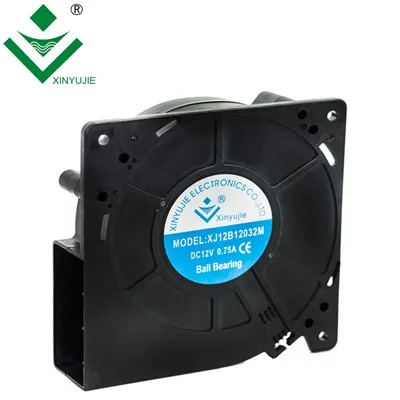
Oil-Impregnated Bearings vs. Ball Bearings: A Comprehensive Comparison
Bearings are essential mechanical components that reduce friction between moving parts, enabling smooth rotation and extending the service life of machinery. Among the most common types are oil-impregnated bearings (also known as sintered bearings) and ball bearings. While both serve the same core purpose, their designs, working principles, and performance characteristics differ significantly, making each suitable for specific applications. This article will break down the key differences between the two, helping you understand which one is right for your needs.
1. Basic Structure and Working Principle
1.1 Oil-Impregnated Bearings
Oil-impregnated bearings are made of porous sintered metal (usually bronze, iron, or brass) through a powder metallurgy process. The manufacturing process involves compressing metal powder into a specific shape and then sintering it at high temperatures, which creates a porous structure-similar to a sponge. This porous material is then impregnated with lubricating oil, which is stored in the tiny pores.
When the bearing rotates, the friction between the shaft and the bearing surface generates heat, which causes the oil inside the pores to expand and seep out, forming a thin lubricating film on the contact surface. When the rotation stops, the oil is drawn back into the pores by capillary action, preventing leakage and keeping the bearing lubricated for the next use. This "self-lubricating" feature is one of the biggest advantages of oil-impregnated bearings.
1.2 Ball Bearings
Ball bearings consist of three main components: an inner ring (mounted on the shaft), an outer ring (mounted on the housing), and a set of small metal balls (usually made of steel or ceramic) placed between the two rings. A cage is often used to separate the balls, ensuring they are evenly spaced and prevent friction between the balls themselves.
The working principle of ball bearings is to convert sliding friction into rolling friction. The balls roll between the inner and outer rings, reducing the contact area between the moving parts and thus minimizing friction. Unlike oil-impregnated bearings, ball bearings require external lubrication (such as grease or oil) to reduce wear and friction, as the metal-to-metal contact between the balls and rings would otherwise cause rapid damage.
2. Key Performance Comparison
|
Performance Indicator |
Oil-Impregnated Bearings |
Ball Bearings |
|---|---|---|
|
Friction Coefficient |
Higher (sliding friction), but stable under light loads. |
Lower (rolling friction), especially under high loads and high speeds. |
|
Load Capacity |
Better for light to medium radial loads; poor for axial loads. |
Excellent for both radial and axial loads; can handle heavy loads. |
|
Speed Limit |
Lower. High speeds can cause excessive heat, leading to oil evaporation and bearing wear. |
Higher. Rolling friction generates less heat, allowing for stable operation at high speeds. |
|
Lubrication Requirement |
Self-lubricating; no need for regular lubrication (but may require re-oiling after long-term use). |
Requires regular lubrication (grease or oil) to prevent wear and corrosion. |
|
Noise Level |
Quieter in light-load, low-speed applications; may produce more noise at high speeds. |
Generally quiet, but noise can increase if lubrication is insufficient or balls are worn. |
|
Service Life |
Shorter under heavy loads or high speeds; affected by oil evaporation and pore clogging. |
Longer under proper lubrication and maintenance; more durable in harsh conditions. |
|
Cost |
Lower. Simple manufacturing process makes them more affordable. |
Higher. Precision manufacturing of rings and balls increases production costs. |
3. Suitable Applications
3.1 Oil-Impregnated Bearings
Due to their low cost, self-lubricating feature, and quiet operation, oil-impregnated bearings are ideal for light-load, low-speed applications where regular maintenance is difficult or unnecessary. Common examples include:
Small electric motors (e.g., fans, toys, small pumps)
Household appliances (e.g., blenders, washing machines, air conditioners)
Office equipment (e.g., printers, scanners, fax machines)
Automotive components (e.g., windshield wipers, door locks)
They are also suitable for environments where dust or debris may be present, as the porous structure can trap small particles, preventing them from damaging the bearing surface.
3.2 Ball Bearings
Ball bearings are preferred for high-speed, heavy-load applications that require high precision and durability. They are widely used in industries where performance and reliability are critical, such as:
Automotive industry (e.g., engine shafts, wheel hubs, transmissions)
Aerospace and aviation (e.g., aircraft engines, landing gear)
Industrial machinery (e.g., pumps, compressors, conveyor systems)
Precision equipment (e.g., CNC machines, robotics, medical devices)
Ceramic ball bearings, a type of ball bearing, are even more durable and heat-resistant, making them suitable for extreme environments (e.g., high-temperature engines, high-speed turbines).
4. Maintenance and Care
4.1 Oil-Impregnated Bearings
One of the biggest advantages of oil-impregnated bearings is their low maintenance requirement. However, over time, the lubricating oil may evaporate or become contaminated, leading to increased friction and wear. To extend their service life:
Avoid operating them at high speeds or heavy loads beyond their rated capacity.
Keep the bearing clean to prevent dust and debris from clogging the pores.