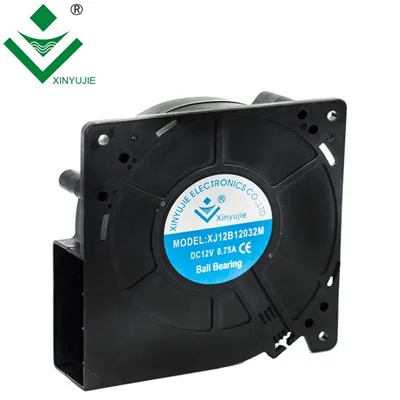
Why Choose Us
Factory Strength
Currently we have 2 full-automatic production lines and 4 manual production lines. Annual production is approximately 12 million pcs. Our management system is strictly conforms to IATF16949 quality certification system.
Production Market
Europe, North and South America, Asia, the Middle East.The Foreign Trade Department was established in 2011, and now customers have spread all over the world and won the praise of customers.
Provide OEM service
Provide customized services, including trademarks, product shapes, product parameters, etc.We can provide OEM service and help you with the R&D of new product and mould.
Our Certificates
Products passed CE, RoHS and UL certification, mainly sold to Japan, South Korea, Europe, USA, etc.
What is Blower Fan
A blower fan is different from other fans in one major area. Fans will use blades to force out and circulate air, but a blower (which may also be called a centrifugal fan) will have impellers that create a different air movement pattern. Which is right for your application - a fan or a blower? Well, it all depends on the volume and force of air you need.For general comfort and air movement through work areas, there are industrial fans to fit most every need. But, for environments where hazardous particles may circulate, it is the power of a blower that helps with dust control and keeps the air clear and employees safe.
-
![IP68 Blower Fan DC]()
-
![Blower Fan DC Waterproof]() Blower Fan DC WaterproofThe benefits of blower fans DC waterproof are mainly reflected in improving the stability and reliability of the equipment, extending the service life, reducing economic losses and providing a comfortable use experience.read more
Blower Fan DC WaterproofThe benefits of blower fans DC waterproof are mainly reflected in improving the stability and reliability of the equipment, extending the service life, reducing economic losses and providing a comfortable use experience.read more -
![PBT Material Blower Fan DC]() PBT Material Blower Fan DCBecause of its energy saving and high efficiency, no mechanical contact, no lubrication, low vibration, low noise, easy maintenance, remote management and other advantages, it is widely used in sewage treatment, biological fermentation,read more
PBT Material Blower Fan DCBecause of its energy saving and high efficiency, no mechanical contact, no lubrication, low vibration, low noise, easy maintenance, remote management and other advantages, it is widely used in sewage treatment, biological fermentation,read more -
![Blower Fan DC 48V RoHS Material]() Blower Fan DC 48V RoHS MaterialThe main advantage of waterproof blower fan DC 48V RoHS material is their ability to maintain stable performance in a variety of environments, especially in wet or watery environments, showing strong durability and reliability.read more
Blower Fan DC 48V RoHS MaterialThe main advantage of waterproof blower fan DC 48V RoHS material is their ability to maintain stable performance in a variety of environments, especially in wet or watery environments, showing strong durability and reliability.read more


Benefits of Blower Fan
Improves air quality
Blower fans help in the circulation of fresh air, which improves the indoor air quality. This is especially important in places where there is little ventilation or where people spend long hours indoors.
Reduces humidity
Blower fans help in reducing the levels of humidity in the air. This is important as high levels of humidity can cause mold growth, which can be harmful to both humans and pets.
Dries surfaces
Blower fans can be used to dry surfaces after cleaning or after a spillage. This is especially beneficial in commercial spaces like factories and restaurants.
Enhances comfort
Blower fans provide a comfortable environment by regulating temperature, providing a gentle breeze on hot days, and improving air quality.
Energy savings
Using a blower fan can help reduce the need for air conditioning, which can help reduce energy consumption and, ultimately, save on electricity bills.
Removes bad odors
A blower fan can help remove bad odors from the air, making indoor spaces more pleasant.
Types of Blower Fan
Helical Screw Blowers
Each helical screw blower has a main rotor with two lobes. This rotor fits into the flute of a second rotor. The two rotors turn in a helical pattern that is carefully timed so they do not contact each other. Helical screw blowers typically produce air at higher pressures than rotary lobe blowers do. They also perform more quietly than rotary lobe blowers. These intricate blowers are energy-efficient options as well. The sealed design of helical screw blowers leads to a smooth air flow and limited air leakage. Helical screw blowers are used to move both air and gas, depending on the application.
Centrifugal Blowers
Centrifugal blowers are the most common blowers used in ventilation systems. They're also used to transport gas and control air pollution. When an air stream passes through this blower's rotating impellers, it increases in both speed and volume. Centrifugal blowers actually change the airflow's direction as well. The air or gas enters the fan wheel, turns 90 degrees, and speeds up before exiting the blower. A centrifugal blower is an ideal tool to maintain a continual gas transfer. When gas passes through a centrifugal blower, it increases in kinetic energy. When the gas exits the centrifugal blower, new gas enters to normalize the gas pressure. One specific kind of centrifugal blower is called a multistage centrifugal blower.
High Speed Blowers
If you need a blower with a significantly high pressure and flow, look for a high speed blower. These electrical blowers run via a motor. They have impellers at each side of the shaft to provide double suction. High speed blowers can reach a pressure up to 25 psi and a flow up to 15,000 m3 per hour.
Regenerative Blowers
Regenerative blowers create pressure by displacing air molecules. The impeller spins to draw in and then capture the air between every blade. As the impeller continues to spin, it pushes the air forward, where it goes back to the bottom of the blade. These types of blowers are good choices if you need to move large air volumes at a low pressure. Plus, they are easy to maintain because they are self-lubricated and contain no oil. Oil-free blowers are important if you don't want oil released in the air. They are especially important in sensitive environments like food manufacturing facilities and hospitals.
Application of Blower Fan
HVAC Systems
Blower fans play a pivotal role in Heating, Ventilation, and Air Conditioning (HVAC) systems. Their ability to handle varying pressure conditions makes them a fundamental component in HVAC systems for residential, commercial, and industrial settings.
Industrial Ventilation
In industrial environments, maintaining proper air quality is essential for the well-being of workers and the efficiency of operations. Blower fans are used for industrial ventilation to exhaust contaminated air and introduce fresh air.
Automotive Cooling Systems
Blower fans are integral components in automotive cooling systems. In vehicles, these fans are used to enhance airflow over radiators and heat exchangers, helping regulate the temperature of the engine and other critical components.
Electronic Cooling
In electronic devices and server rooms where heat dissipation is a significant concern, Blower fans are employed for electronic cooling. These fans help dissipate the heat generated by electronic components, preventing overheating and ensuring the optimal performance and longevity of sensitive equipment.
Aerospace Applications
Blower fans also find applications in the aerospace industry. In aircraft, where weight and space considerations are critical, these fans are utilized in ventilation and environmental control systems.
Blower Fan Components
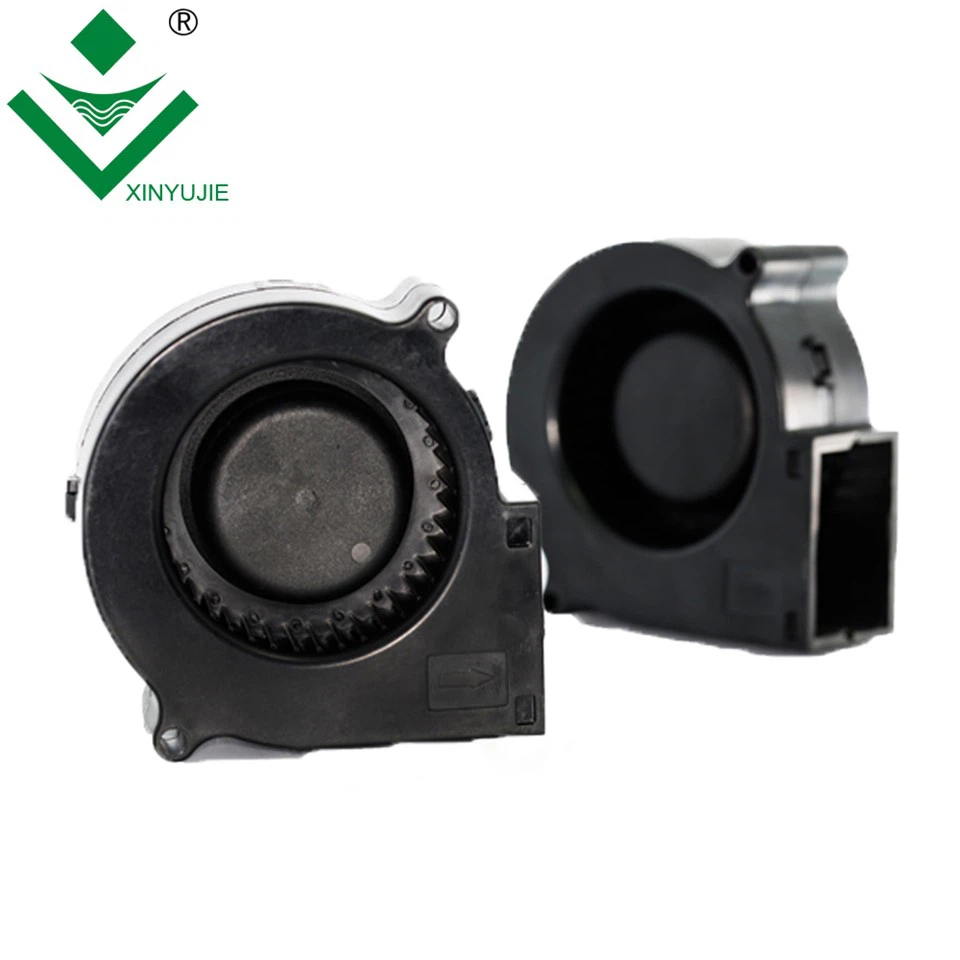
Impeller
The shape and design of the impeller are critical factors influencing the performance of a squirrel cage blower fan. Impellers are typically designed with forward-curved, backward-curved, or straight blades. The choice of design impacts the efficiency, noise level, and pressure characteristics of the fan.The impeller's primary function is to draw air into the center and expel it radially. As the impeller rotates, the centrifugal force generated accelerates the air outward, creating a continuous and directed airflow.
Housing
The housing serves as the enclosure for the impeller, containing the airflow and guiding it through a specific path. It prevents air from escaping prematurely, ensuring that the impeller can effectively generate pressure.The design of the housing significantly impacts the efficiency of the squirrel cage blower fan. A well-designed housing maximizes the use of the generated airflow, preventing turbulence and optimizing the fan's overall performance.
Motor
Squirrel cage blowers commonly use electric motors due to their reliability, efficiency, and ease of control. The two main types of electric motors employed are:Suitable for smaller applications with lower power requirements.Commonly used in industrial settings, three-phase motors provide higher power and efficiency.The motor's role is to provide the necessary rotational force to drive the impeller. The motor converts electrical energy into mechanical energy, allowing the impeller to create the centrifugal force required for efficient air circulation. The choice of motor depends on factors such as the size of the fan, power requirements, and the specific demands of the application.
Bearings
Bearings play a crucial role in supporting the rotational movement of the impeller. They reduce friction, enabling smooth and efficient rotation. Bearings are typically located at both ends of the motor shaft and require proper lubrication to prevent wear and maintain optimal performance.

How to Choose Blower Fan
Airflow and Pressure Requirements
Determine the required airflow volume (in cubic feet per minute or cubic meters per hour) and the necessary pressure (static pressure or total pressure) to meet the process or system demands.
Efficiency
Choose a blower that offers good efficiency to minimize energy consumption and operating costs. Different blower types have varying efficiency characteristics, so it's important to evaluate efficiency curves and data.
Noise and Vibration
Assess the noise and vibration levels that the blower might generate, especially if it will be used in an environment where noise is a concern.
Operating Conditions
Consider the temperature, humidity, and any potential presence of corrosive or abrasive materials in the air that could affect the blower's materials and performance.
Space Constraints
Consider the available space for blower installation and whether the chosen blower type can fit within the designated area.
Maintenance Requirements
Evaluate the maintenance needs of the blower, including access for inspections, cleaning, and potential repairs.
Working Principle of Blower Fan
Air Intake
The blower motor pulls cool air from your home into the furnaces through an intake vent or return duct.
Heat Exchange
Inside furnaces, heat is generated by burning fuel or electric resistance coils, which warms up the air.

Blowing Hot Air
The furnace blower motor pushes heated air over a furnace heat exchanger before distributing it through supply ducts to different rooms.

Return Path
As warm air from the furnaces circulates through your home, it eventually cools down. The blower motor then pulls the cooled air back into the furnaces through return ducts to repeat the heating process.
Inspect mounting hardware
Mounting equipment incorporates screws, plates, nuts and different segments that hold an blower fan set up. Ensure that none of the parts have extricated or show any sorts of breaks or harm.
Check the blower's wellbeing links
Good cables give a safeguard on the off chance that something happens that makes the fan mounting hardware fizzle. A security cable will either be folded over the structure and the fan's casing or emerge from the highest point of the fan and fold over the structure. Check your security cable for any tears or indications of detachment or shortcoming. In numerous applications over the time of running residue gets aggregated on the impeller.
Clean any inordinate residue or garbage
It tends to be not difficult to disregard cleaning your blower fan, since they are by and large out of sight and can work regularly even with a substantial layer of soil covering them. Depending on the climate there might be an inordinate measure of residue or assembling flotsam and jetsam nearby the blower which could influence its capacity to work appropriately. Nonetheless, in the present circumstance it is reasonable to clear off any overabundant earth off the blower and the cutting edges.
Worker checklist
Start by making an investigation agenda to help your representatives keep steady over upkeep timetables and requirements. That way, everybody answerable for fan and blower support knows its present status, gives previously adjusted, forthcoming goals, etc.
Spare parts and components
Although you ought to consistently depend on an expert organization for master cleaning and support, it never hurts to keep little parts and segments available. The explanation is that, sometimes, a certified representative can make minor fixes or complete support rapidly without expecting to bring in support.
Greasing
When buying an blower fan, the provider or maker gives a timetable to lubing. Alongside that, a few blowers have a complex plan that tracks the hour of activities, in this manner making it simpler to keep awake to-date on lubing spans.
Our factory
Shenzhen Xinyujie Technology Co., Ltd has been devoted to cooling fan manufacture and R&D since 2007. Our fan is involving in multiple fields such as 3D printer, Accumulator, Home appliance, Inverter, Greenhouse, Medical equipment and many other electric products.Our fan series are including DC axial fan, DC blower fan, AC fan, EC fan. Additionally, the fan could be customized according to your requirements for diversecurrent, voltage, speed, air flow, bearing type, cable and connector. Moreover, fan built-in optional function is available such as PWM, Tachometer, Alarm, Temperature control,reversing rotation , fireproof, waterproof (IP44-IP67) etc.

Certificate

FAQ
As one of the leading blower fan manufacturers in China, we warmly welcome you to buy cheap blower fan made in China here from our factory. All customized products are with high quality and competitive price.
IP68 Blower Fan DC, Blower Fan DC Waterproof, PBT Material Blower Fan DC-
![XYE-6025-PWM]()
-
![12038BK-K High Speed Dc Fan]()
-
![60X60X25MM DC Cooling Fan 24V 6025H24-K]()
-
![12032 Blower Fan For 3D Printer]()
-
![51X51X15MM Humidifier 5V 12V DC Blower Fan]()
-
![3D Printer Blower Fan 40X40X20MM]() 3D Printer Blower Fan 40X40X20MMThe 40X40X20MM blower fan is widely used for 3D printer,humidifier and so on.It's optional function ofread more
3D Printer Blower Fan 40X40X20MMThe 40X40X20MM blower fan is widely used for 3D printer,humidifier and so on.It's optional function ofread more